How to teach gratitude to a 5-year-old: model noticing out loud, ask "what was good today?" at bedtime, and let them give. Simple steps for ages 3 to 10, without forcing 'say thank you.'
The short answer: to teach gratitude to a 5-year-old, show it more than you demand it. Say out loud the small good things you notice, ask “what was one good thing today?” at bedtime, and give them chances to give and help. A five-year-old learns gratitude by practicing noticing, a little every day, not by being told to say thank you.
Most gratitude “training” is a parent hissing “what do you say?” until a child mumbles “thank you.” That teaches the script, not the feeling. Real gratitude — the kind that actually makes kids happier — is a skill of noticing: catching the good things that are already there. And like any skill, it grows with practice, not pressure.
Why gratitude has to be grown, not demanded
Young children are wired to notice what’s missing — the toy they don’t have, the turn they didn’t get. That’s not selfishness; it’s a normal developmental stage. The brain flags gaps because gaps once meant danger. Noticing what’s present and good is the harder, later skill, and it’s the one that has to be gently taught.
The reason it’s worth teaching isn’t manners. Gratitude consistently tracks with higher wellbeing in children — kids who practice noticing good things tend to report more happiness and handle setbacks better. But it only works when it’s genuine. A forced “thank you” builds compliance; a noticed “I liked that” builds the actual muscle. The goal isn’t a politer child. It’s a child who can find the good on an ordinary day.
10 ways to grow real gratitude
- Model noticing, not just thanking. “I loved how the sky looked tonight” shows gratitude as attention, not obligation.
- Ask “what was good today?” at bedtime. Small and specific beats grand. “The dog was warm” counts.
- Let them see you thank people genuinely. Kids copy the tone, not the word.
- Skip the guilt version. “Some kids have nothing” builds shame, not gratitude. Notice good directly instead.
- Thank them, out loud, for real things. “Thanks for waiting while I finished” teaches gratitude by receiving it.
- Make a tiny ritual. A “good thing” shared at dinner, every night, builds the habit through repetition.
- Notice effort behind gifts. “Grandma spent time choosing this” grows deeper gratitude than the object itself.
- Let them give. Sharing a snack, helping a sibling — giving is where gratitude and joy meet.
- Don’t over-correct ingratitude. A grabby moment is normal. Name the good calmly instead of lecturing.
- Use a story instead of a speech. The lesson lands sideways, where it’s easier to feel.
Gratitude, age by age
Ages 3–4: name the good thing.
- Point out simple good moments as they happen: “The bath is so warm. I love that.”
- Thank them for small things so they hear what gratitude sounds like.
Age 5 (and 6): a tiny daily ritual.
- At bedtime, each of you shares one good thing from the day. Specific beats big: “The dog licked my hand” counts.
- Before a thank-you, help them name why: “Thank you for the book, I like the dinosaur in it.”
- Let them help make something for someone, like a drawing for a grandparent, so they feel the giving side.
Ages 7–10: notice the effort behind things.
- Talk about the people behind everyday things: who grew the food, who drove the bus.
- Try a short thank-you note or text for something someone did, not just something they gave.
- Keep a family “good things” jar and read it together at the end of the month.
Tonight’s story does the last one for you
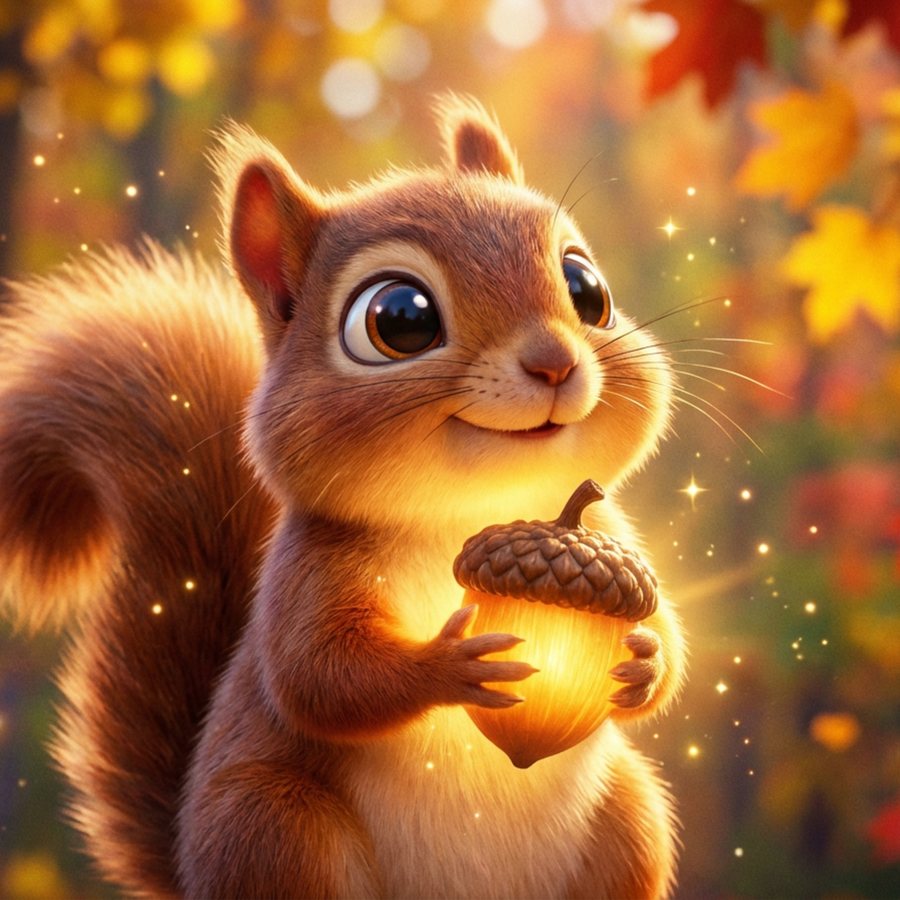
The Squirrel Who Discovered Gratitude follows a squirrel who finds that a hollow packed with acorns still feels empty — until he learns to notice, and share, what he already has. It’s inspired by Mother Teresa and her teaching about doing small things with great love.
For the daytime half, 10 Ways to Be Grateful offers ten more kid-friendly moves, and the story’s printable activity pack adds coloring, a maze and a bedtime talk card about gratitude (more in the shop).
Tonight’s tiny plan
- Play the story before lights-out.
- Ask: “What’s one small good thing from today?”
- Tomorrow, say one genuine thank-you to your child, and watch what it teaches.
You can’t force a child to feel grateful. But you can, night after night, help them practice noticing — until finding the good becomes simply how they see.